
How I Validate a SaaS Idea on Reddit After Keyword Tools Failed
Keyword databases told me one product had no demand. It quietly pulled 80 organic users anyway. Now I validate on Reddit first — here's the exact process.
 Tao WuFounder of dist0
On this page
Keyword tools misled me on two SaaS side projects I shipped — in opposite directions.
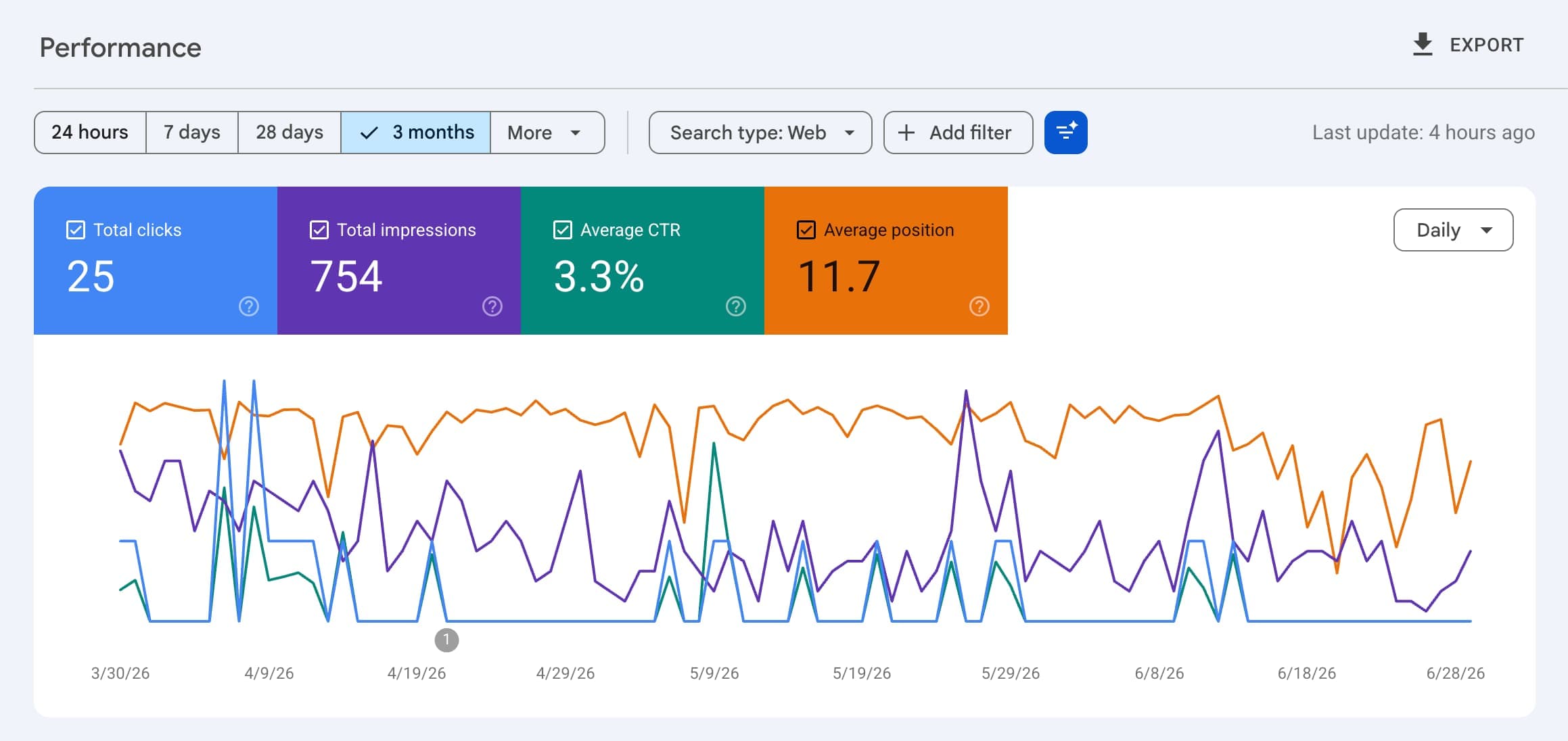
The first showed zero demand in every keyword tool I checked, so I shelved it after a month. Six months later, 80 people found it and signed up on their own — no ads, no posts, no marketing. The demand was real; the database just couldn't see it.
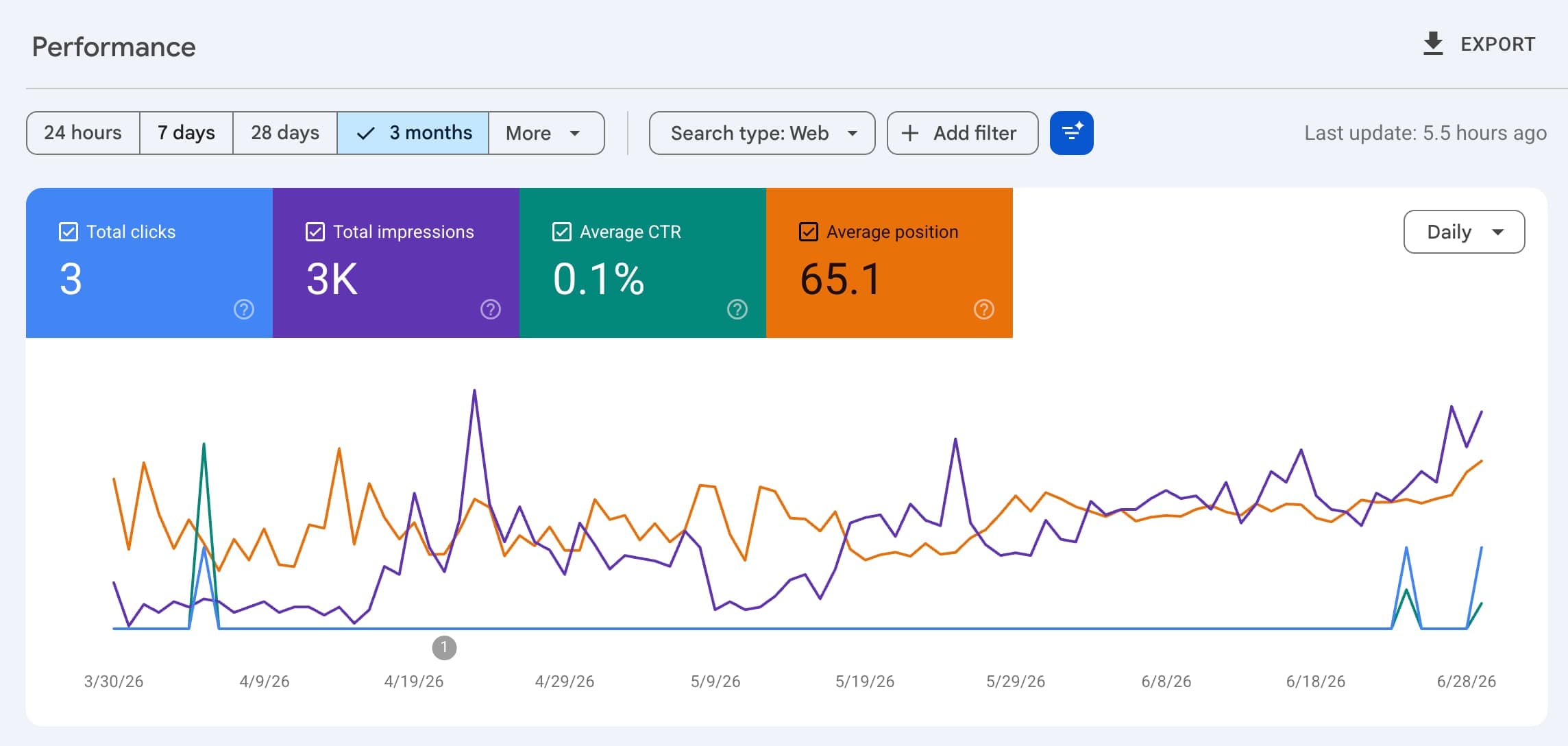
The second I built entirely around keyword data, publishing exactly what the tools said people were searching for. It earned plenty of impressions and almost no clicks. The searches were real; the people behind them were never going to be my buyers.
Two products, opposite mistakes, the same lesson: keyword databases can be confidently wrong in both directions. So now, before I spend months building, I validate where my buyers actually talk — Reddit. Here's the exact process.
Why keyword databases miss real demand
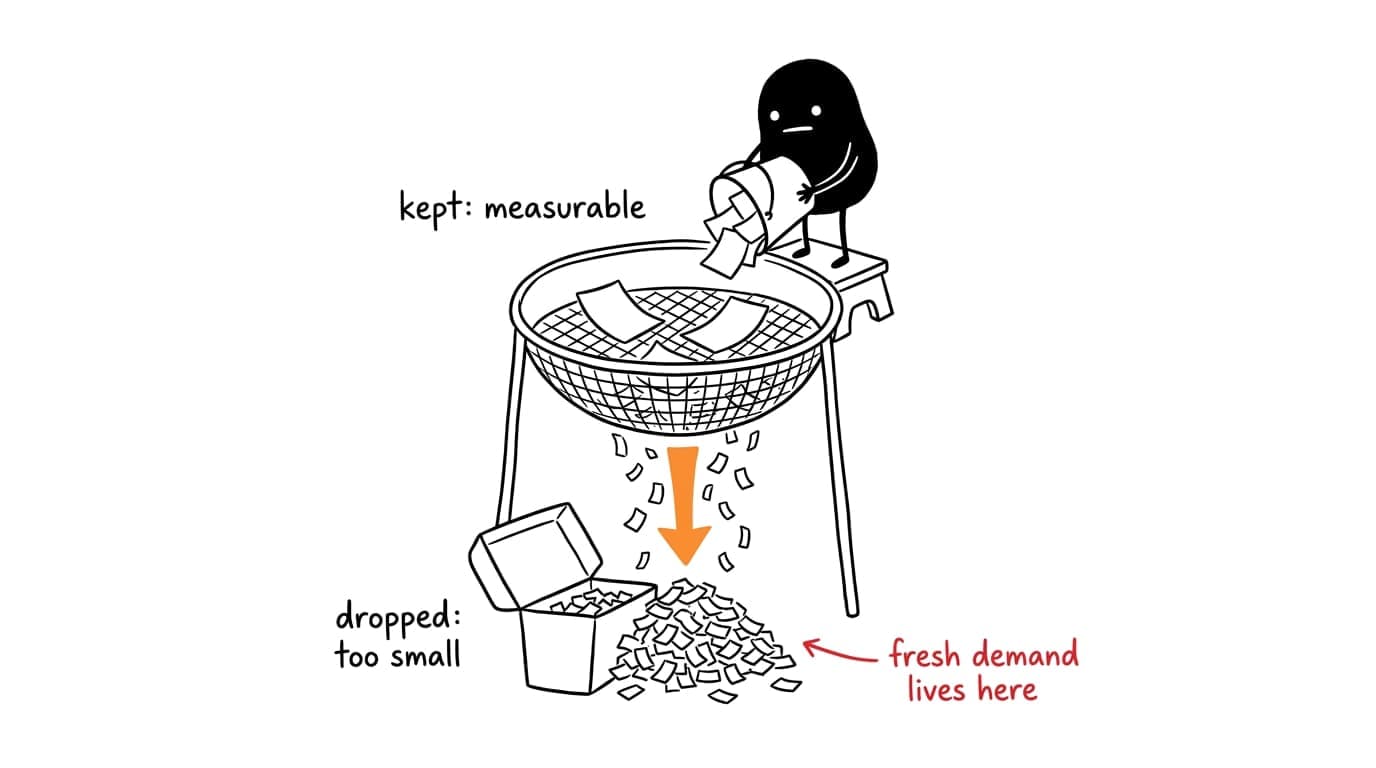
A keyword tool only counts phrases people have already searched enough times to measure — and it deliberately drops the rest. Ahrefs discovers over 110 billion keywords and keeps only the ~28.7 billion it judges worth optimizing for; the other 80-odd billion get cut for too little search interest. Fresh, niche, and long-tail demand lives in exactly that discarded pile — people want the thing, but no database has a number for it. So zero volume tells you the tool can't measure the demand, not that nobody wants it.
And even for the phrases it does track, a keyword tool shows you only the words and the pages already ranking for them — never the problem behind the search. It can't tell you what went wrong for that person, what they'd already tried, or why the existing options didn't fit. Reddit shows you exactly that: people describing the pain in their own words, what they attempted, and where it fell short — right now, before it's a keyword anyone is optimizing for.
AI can suggest a direction, but it can't make the call
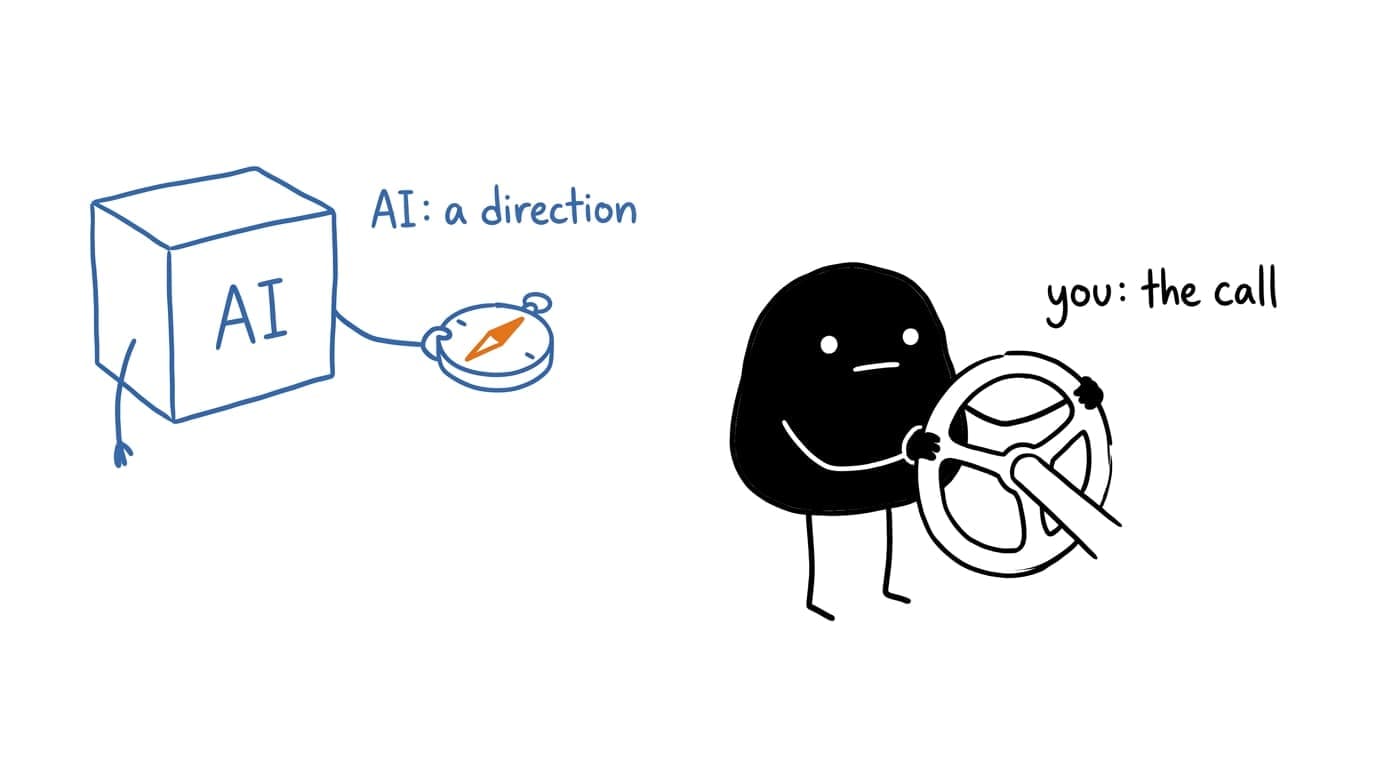
I use AI for direction, not the final call.
First, don't ask an AI assistant to generate your SaaS idea. Whatever you ask, the answer comes back with the same flaws:
- Fake confidence. It states guesses as if they were facts.
- Problems it can't see. It may never reach the Reddit threads where the real pain shows up — Claude can't browse Reddit at all.
- Stale problems. The pains it names can be years out of date, with no source you can check.
Second, deep research tools are more useful — but only for direction. Point one at a market and it can run hundreds of searches in a single pass, pull competitor and market-trend data, and push back when a space is too crowded for a new player to win. That pushback is worth a lot; it's the objective read your own enthusiasm can't give you. But it only sees indexed data, and that data can lag behind what's happening now — the freshest pages with the novel thinking may not rank high enough to get pulled in yet. Good insight isn't always good at SEO.
So use AI to find a direction. Don't let it make the call for you, and don't spend weeks building just because an AI told you the idea was good.
Find the subreddits where your buyers actually hang out
Before you can validate anything, you need to know where your buyers gather. Google is the shortcut: when people hit the pain your product solves, they search it and often land on a Reddit thread, so the subreddits that rank for that pain are the rooms where your buyers already talk it through. Find the threads and you find the rooms. Here's the method:
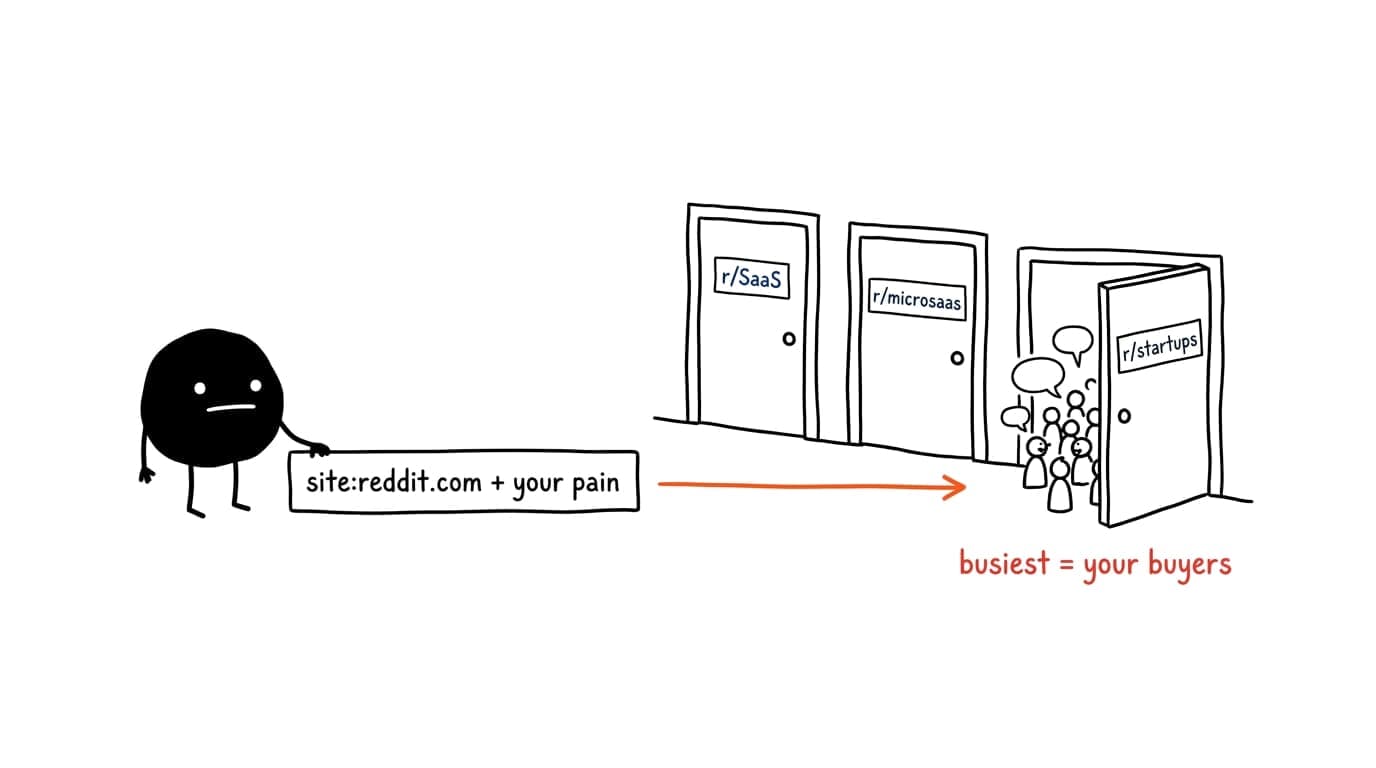
- Search Google for
site:reddit.com <the pain your product solves>. - Read the top posts. Are they really about the problem your product solves, or a different subject that just happens to share your keywords?
- Note which subreddits those top posts live in.
- If you can barely find active, relevant subreddit discussion of the pain — or the posts are all old, or there's nothing at all — your buyers probably aren't loud on Reddit. That can happen, but it may also mean your niche is too narrow. If Reddit is your main channel to reach users, that's a reason to stop and rethink.
How to validate your guesses by posting questions
Don't bet one broad question on one post. "What features would you pay for?" gets you nothing — it's too big, too abstract, and it reads like a survey, so people scroll right past it.
Split it into narrow, specific questions — long-tail ones — with a first-hand tone: a real story, a real observation. "I noticed X keeps happening when I..." is more likely to pull specific answers than "what do you want?"
Here's one that worked — a plain "what do you actually use?" post:
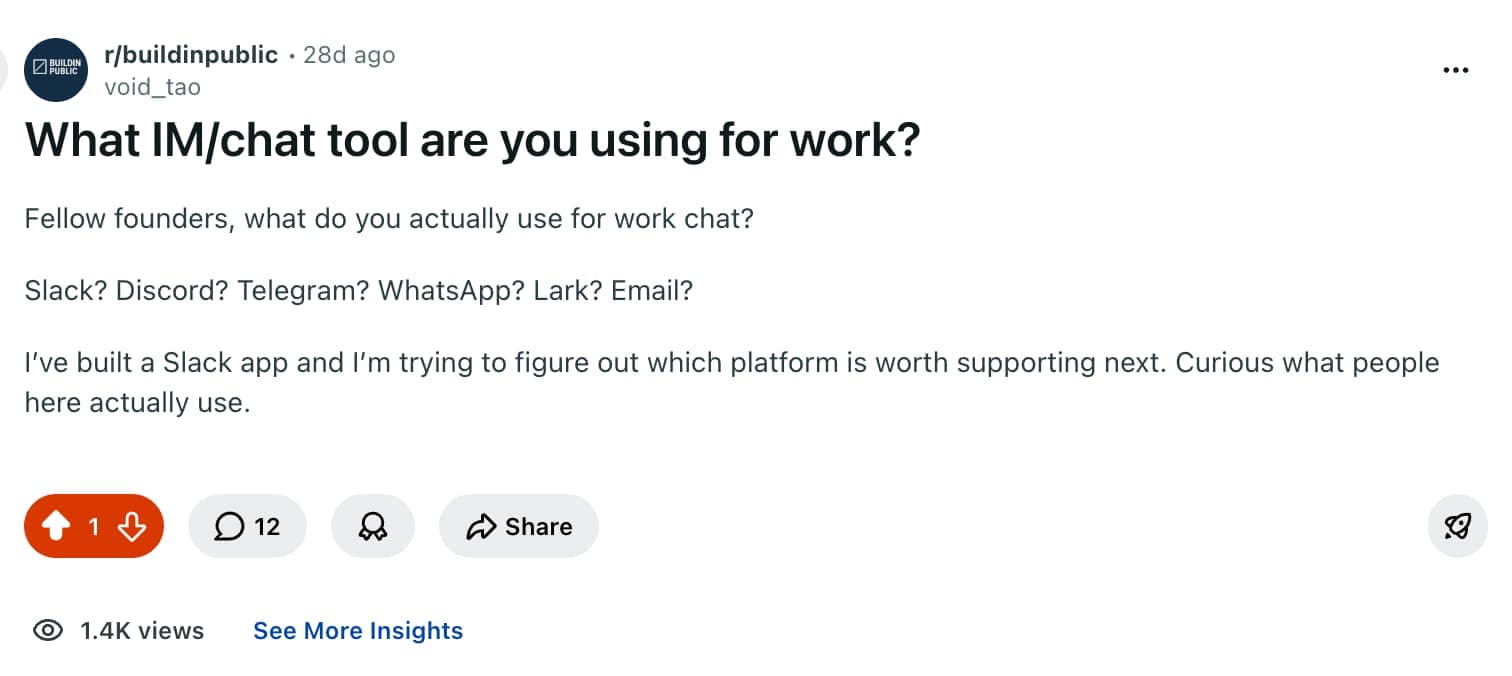
That post pulled 1.4K views and 12 responses — enough to make the call on what to build next.
The idea validation funnel: from interest to payment
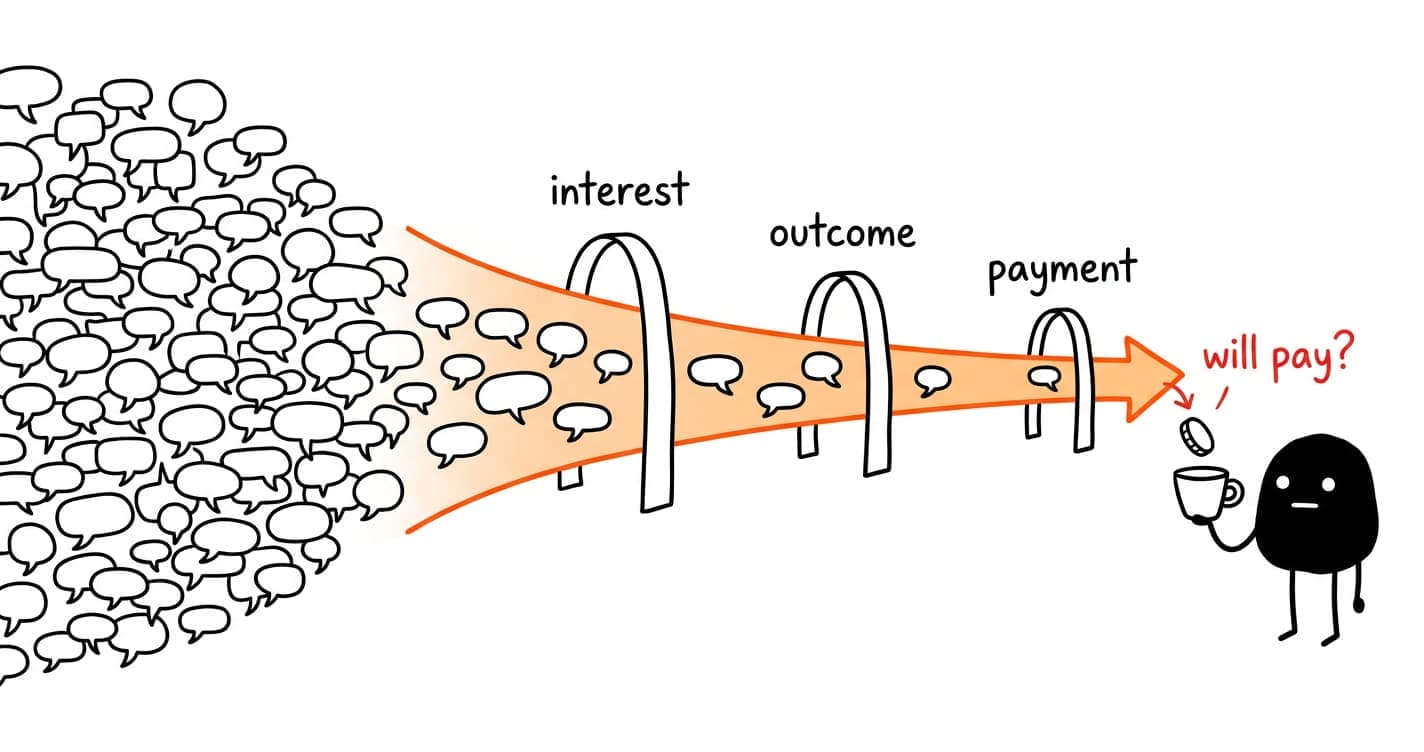
A single post does not have to settle the decision. What settles it is watching the same people move through 3 stages, each one asking for a little more commitment: product interest → outcome → willingness to pay. Each stage tests something the last one couldn't — that they want it, that it works for them, that they'll pay.
-
Interest (email). If a tiny free tool is cheap to make, build one for each feature and post free offers in communities that currently allow self-promotion, like r/microsaas and r/buildinpublic. Ask people who want to try it to sign up with their email first. They're now the top of your funnel. Send them a routine newsletter with product updates and discounts so you can stay in touch over time.
-
Outcome (do it by hand). Test a broader offering by hand — pick whatever manual version of your product is quick to deliver. A video editor, for example, could offer to add subtitles by hand for a few people. Put a simple form in front of it to collect their reactions. Every reply teaches you how people actually understand your product — not just whether the idea works.
-
Payment (paywall). DM the people who took your concierge service and ask if they'd pay for a more complete, higher-quality version. Only ask people you've already built real trust with. Offering a discount to strangers who owe you no attention is a waste of both your time.
Validate the idea before you build
Source material first, build decision second — that's the habit I try to keep now. Confirm on Reddit that the pain is real and that real people have it, then spend the months. And once you've found people describing the problem, the next step is turning those complaints into first-customer conversations.
Frequently asked questions
How do I validate a SaaS idea on Reddit?
Start by searching
site:reddit.complus the pain your product solves, and find the subreddits where that pain shows up repeatedly. Read how people describe it in their own words, then ask your own long-tail, first-hand questions to confirm. Finally, run interested people through a funnel — email signup, a hands-on concierge version, then a paywall — so you're testing real willingness to pay, not just curiosity.Is Reddit better than keyword tools for validating demand?
They answer different questions. A keyword tool tells you how many people typed an exact phrase in the past; it reports zero for fresh, niche, or long-tail demand that hasn't been measured yet. Reddit shows you who is struggling with the problem right now, in their own words. I've had a product show zero keyword volume and still pull 80 organic users — so I treat keyword data as a reference and Reddit as the signal.
What if my subreddit search finds nothing?
If you can barely find active, relevant subreddit discussion of the pain, or the only posts are old, your buyers may not be active on Reddit — which can happen — or your niche is too narrow. If Reddit is your main planned channel to reach users, treat an empty search as a real warning sign and rethink the idea or the audience before you build.